

How Arabic Should Your Brand Sound?
In a region where language carries identity, culture and emotion, finding the right Arabic voice is rarely as simple as choosing between formal Arabic and dialect.
Some brands sound like they’re addressing a government assembly. Others sound like they’re trying far too hard to be your best friend.
One announces a new service with “يسرّنا أن نعلن لجمهورنا الكريم عن إطلاق خدمتنا الجديدة” while another goes with “يا جماعة، جهّزوا حالكم، عنا إشي بجنن!”
Both are communicating in Arabic. Both could even be addressing the same audience.
But which one actually connects?
The answer goes beyond choosing between formal Arabic (الفصحى) and local dialect (العامية). It’s about understanding the audience, the context, and the credibility a brand needs to establish.
When professionalism becomes a language barrier
Modern Standard Arabic has long been the language of official communication across the Arab world. From government announcements to corporate statements, it conveys authority and professionalism.
But formality shouldn’t come at the expense of clarity.
Corporate communications are often filled with elaborate expressions, unnecessarily long sentences, and executive quotes that sound impressive but say very little.
Phrases like “في إطار سعينا الدؤوب لتعزيز مسيرة التميز والريادة” while grammatically correct, communicate nothing meaningful. They are there to impress.
Professionalism doesn’t require complicated language. It requires clarity, substance, and purpose.
When being relatable goes too far
At the other end of the spectrum, brands increasingly use local dialects, humor, slang, and conversational language to appear approachable.
Done well, this can create familiarity and emotional connection. Done poorly, it can undermine credibility.
As an illustrative argument, consider a bank announcing its annual financial results.
Scenario 1: Formal Arabic (الفصحى)
“أعلن البنك عن نتائجه المالية السنوية، مسجلاً نمواً في صافي الأرباح بنسبة ١٥٪، بما يعكس متانة أدائه المالي واستمرار تنفيذ استراتيجيته للنمو.”
Scenario 2: Colloquial Arabic (العامية)
“سنة قوية إلنا! أرباحنا زادت ١٥٪، ولسه مكملين بنفس الحماس لنكبر ونحقق إنجازات أكثر!”
Both communicate the same basic result, but they create very different impressions.
The first establishes financial credibility and is appropriate for the stature of the brand, investors, regulators, and the business media. The second, friendlier, but its casual tone undermines the significance of a formal financial announcement.
Now imagine the same bank launching a campaign encouraging young customers to save money. A conversational approach could suddenly become far more effective.
The right language depends on what is being communicated, who is receiving it, and where the conversation is taking place.
The same brand can move between different tones and levels of formality without losing its identity.
One language, multiple identities
The Arab world shares a common language, but its markets differ significantly in dialect, cultural references, humor, and social expectations.
A phrase that sounds natural in Amman may feel unfamiliar in Riyadh. An expression that resonates in Cairo may lose its impact elsewhere.
Regional brands must therefore balance consistency with local relevance.
A corporate announcement may benefit from clear Modern Standard Arabic, while a local social media campaign may connect more effectively through dialect.
The objective is to maintain a recognizable brand personality while adapting the language to the audience and context.
The problem with translating instead of communicating
Many regional companies still develop their strategies, campaigns, and messaging in English before translating them into Arabic.
Yet a grammatically accurate translation doesn’t necessarily preserve the original message’s tone, cultural relevance, or emotional impact.
Humor gets lost. Expressions sound unnatural. Messages become unnecessarily formal.
Arabic communication should be considered from the beginning of the creative and strategic process, rather than treated as a final production step.
Translation delivers words. Effective communication delivers meaning.
Finding the right voice
Choosing between الفصحى and العامية should never be an arbitrary creative preference.
It requires an understanding of the audience, the communication objective, the channel, and the brand’s positioning.
Formal Arabic doesn’t have to sound distant. Colloquial Arabic doesn’t have to sound unprofessional. Both can be powerful when used deliberately.
Few ones do, but brands should establish clear Arabic tone-of-voice guidelines that allow flexibility without compromising identity or credibility.
Ultimately, the question isn’t whether a brand speaks formal Arabic or a local dialect, it’s whether the language it chooses makes people listen, understand, and trust what it has to say.
Not sure your brand sounds right in Arabic?
Short Pencils reviews positioning, messaging and tone of voice across languages and markets, with senior judgment and no stake in the outcome.
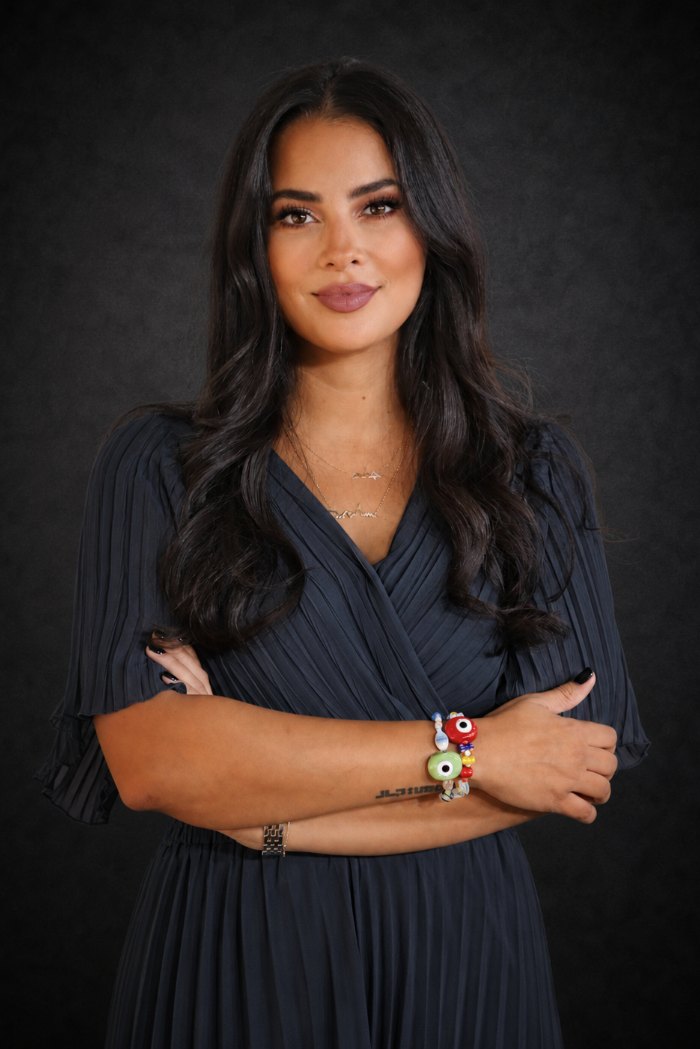
Lorena Copty leads Short Pencils’ PR and communications work, advising on corporate communications, media relations, reputation, messaging and executive visibility across the Levant and GCC.
Ask ChatGPT, Gemini and Perplexity the same question about your brand, then compare the answers with what your team believes it stands for.
AI gave marketing back time. The bigger opportunity is not more content, but better work.