
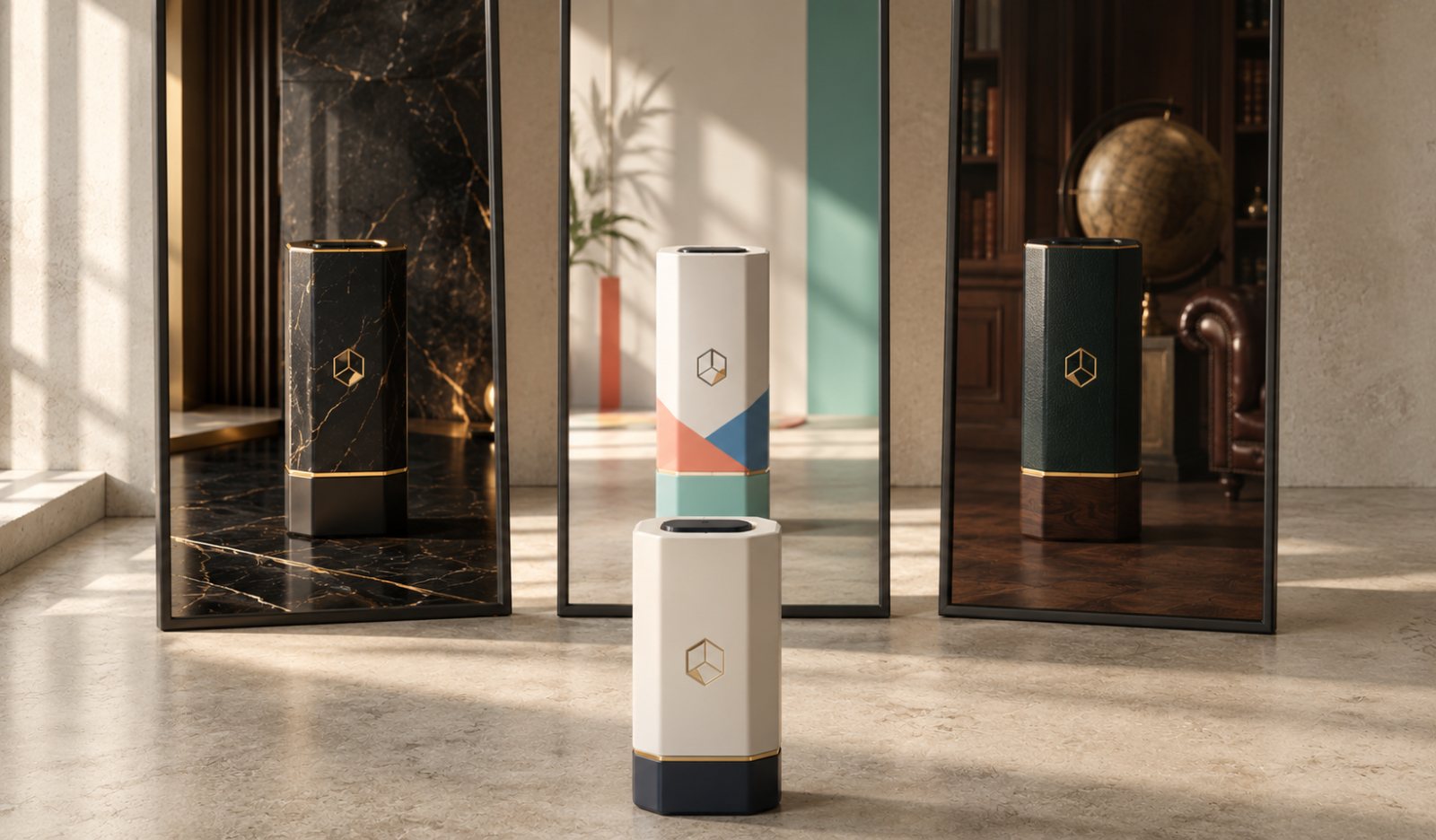
What Does AI Think of Your Brand?
Businesses invest huge amounts of money and time trying to influence what people think about their brands. Advertising, PR, customer experience, sponsorships, social media, websites and many other touchpoints contribute to building that perception.
For most of my career, the challenge was relatively familiar. You defined what you wanted the brand to stand for, understood what people thought about it, and worked across the different touchpoints to influence that perception. You never completely controlled the outcome, but you could influence it.
More people are now using ChatGPT, Gemini, Perplexity and other AI platforms to search, research, compare products and understand companies. They can ask a question about your brand and receive an answer that brings together information from different sources.
Which raises a simple question:
how close is that answer to the brand you believe you have been building?
Try it yourself
Before you continue reading, open ChatGPT, Gemini and Perplexity. Ideally, use accounts that don't already have much context about you or your company.
Ask each one exactly the same question:
Imagine I know very little about [BRAND]. Based on publicly available information and independent sources, tell me what this brand is known for, what it stands for, who its main competitors are, why a customer might choose it over them, and what concerns or weaknesses I should consider. Please distinguish between what the company says about itself and what independent sources suggest.
Put the answers next to each other.
Then compare them with what your management team believes the brand stands for.
You may find they are remarkably close. You may also find that AI understands what you sell but struggles to explain why someone should choose you. It may associate your brand with attributes you no longer consider important, identify competitors you don't consider competitors, or surface weaknesses you believe have already been addressed.
You may also get three quite different answers.
If there is a gap, I wouldn't immediately assume AI got your brand wrong. I would want to understand why the gap exists.
Look at the sources behind the answers. Is your positioning as clear outside the organisation as it is inside it? Does independent coverage support what you say about yourself? Does your customer experience reflect the promise? Is the information about your business current? Are different parts of the organisation describing the company consistently?
There is another possibility worth considering.
The brand you believe you have built internally may not be the brand the outside world has actually understood.
That has always been possible. AI simply gives us another way to see it.
Companies have never completely controlled their reputation. Customers, journalists, employees, competitors and the wider market have always contributed to it. AI can now bring many of those signals together and present them as an answer to someone researching your business.
This makes the exercise useful beyond search visibility. It can become a simple outside-in check on the brand itself.
If your website says one thing, your leadership communicates another, customer experience suggests something else and independent sources tell a different story, improving your visibility on AI platforms will only solve part of the problem.
The more important question is why those signals are different.
Businesses will continue investing money and time trying to influence what people think about their brands. As the way people search and gather information changes, understanding what AI has learned about your brand should probably become part of understanding your brand itself.
So, what does AI think of your brand?
And how close is that to what you think you have built?
Ran the test and found a gap?
Short Pencils runs outside-in reviews of positioning, messaging, and the signals your market actually sees. Senior judgment, no stake in the outcome.
Habib Rihana is the founder of Short Pencils, an independent marcom advisory helping leadership teams, CMOs, founders, boards, and agencies make stronger marketing and communications decisions across the Levant and GCC.